
A Welcoming Gateway: The Origins of Plantation Point
Plantation Point stands as one of Bowling Green, Kentucky’s most beloved neighborhoods, blending rich local history with Southern charm. Nestled on the city’s western edge near Scottsville Road and Cemetery Road, this residential area has become a symbol of warm community living amid a tapestry of stately trees and manicured lawns. But how did Plantation Point come to be, and what makes it so cherished by longtime residents and newcomers alike?
The Name That Echoes the Region’s Past
The neighborhood’s evocative name, “Plantation Point,” pays homage to the region’s agricultural heritage. Before suburban development took root in the late 20th century, much of this part of Warren County was farmland—rolling hills dotted with tobacco, corn, and the occasional horse pasture. Early developers chose the name in the 1970s to reflect this rural legacy, aiming to capture the genteel allure of Kentucky’s historic plantations while envisioning a modern, family-friendly community.
Key Historical Milestones
Plantation Point’s story begins in the mid-1970s when Bowling Green’s rapid growth prompted the need for upscale housing beyond the city’s core. Developers identified the gently sloping lands along Plantation Drive and Spanish Moss Trail as ideal for a new neighborhood. With carefully planned lots and winding lanes, the neighborhood aimed to offer a quiet retreat just minutes from the vibrant downtown.
Some key milestones shaping Plantation Point include:
- 1975 – Initial land surveys completed and streets such as Plantation Drive and Spanish Moss Trail plotted.
- 1978 – Construction of the first homes began, attracting professionals and young families seeking suburban space.
- 1983 – The addition of several cul-de-sacs—such as Moss Court and Ashmoor Drive—expanded the community and fostered neighborly ties.
- 1990s – Notable renovations and landscaping upgrades took place as the neighborhood pride deepened.
- 2000s-Present – New families and retirees continue to find their place here, united by a sense of welcoming tradition.
Landmarks and Community Spaces
Though Plantation Point is primarily a residential area, it is not without its memorable landmarks and scenic corners. Some highlights that locals know and love include:
- The Grand Sycamores of Plantation Drive: Lining the main boulevard, these mature trees provide a lush canopy in summer and a striking silhouette in winter. Generations of children have played beneath their branches, and local legend has it that some date back to the original farmland days.
- Heritage Lake: Nestled near the eastern edge of the neighborhood, Heritage Lake serves as a tranquil spot for fishing, birdwatching, and impromptu community gatherings. Whether it’s a quiet walk at sunset or a festive Fourth of July picnic, this spot remains a neighborhood favorite.
- Plantation Point Community Park: While small by city standards, this leafy park on Ashmoor Drive is where neighbors catch up, children enjoy the playground, and seasonal events bring everyone together.
Notable Homes and Streets
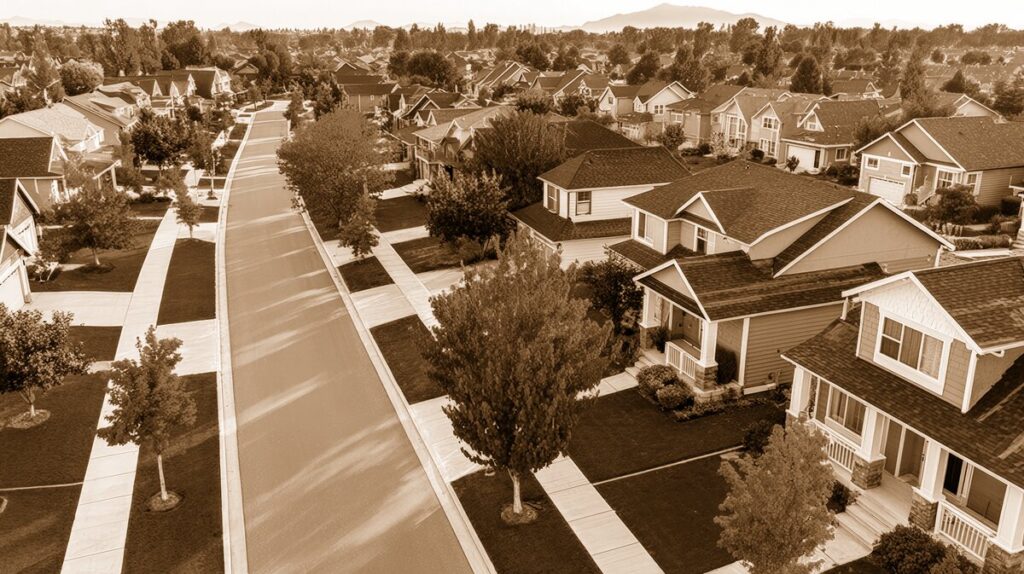
Plantation Point’s architecture reflects the sophisticated tastes of its early residents. Brick Colonial and ranch-style homes dominate, many featuring sweeping front porches, gabled roofs, and flower-filled gardens. A stroll along Spanish Moss Trail or Magnolia Trace reveals time-honored details like salvaged brick paths and wrought-iron railings—an homage to the area’s Southern roots.
Plantation Point is also known for its pride of ownership. Local homeowner associations encourage beautification, and you’ll often see residents tending to landscaping or chatting over white picket fences. This sense of connection gives Plantation Point its unmistakable charm.
The Neighborhood’s Evolution Over the Decades
Though the rural farmlands of Plantation Point’s past have given way to leafy streets and stately homes, the neighborhood’s spirit of community endures. The evolution has been marked not just by architectural changes, but by a deepening of neighborly ties and a shared sense of place.
- In the 1980s, annual block parties and yard sales became a fixture, providing opportunities for new families to mingle and share in the area’s heritage.
- As Bowling Green’s population swelled in the 2000s, Plantation Point remained a haven of quiet and comfort, even as nearby Scottsville Road saw new retail and commercial growth.
- Today, the neighborhood continues to balance tradition and progress. Families celebrate holidays with festive lights along Plantation Drive, and the HOA ensures that common spaces remain beautifully maintained.
Institutions and Access
While Plantation Point is mainly residential, its proximity to top Bowling Green schools and vital roadways has shaped its popularity. The neighborhood is just minutes from Bowling Green High School and close to convenient shopping on Scottsville Road. Many residents appreciate being able to enjoy suburban tranquility while still being an easy drive away from downtown Bowling Green’s restaurants, shops, and cultural attractions.
What Makes Plantation Point Special Today
What endures about Plantation Point is, above all, its sense of belonging. Generations have grown up here learning to ride bikes along Magnolia Trace, walking to school on crisp mornings, and gathering at Heritage Lake under a golden Kentucky sunset. Longtime residents are quick to welcome new faces, honoring the tradition of neighborliness that has always set Plantation Point apart.
Whether you’re drawn by the neighborhood’s picturesque streets, its storied past, or simply the warm smiles of your neighbors, Plantation Point stands as a testament to what makes Bowling Green special—a place where history and community are woven together, creating a welcoming home for all who find their way here.